

Best Time to Visit Switzerland for Snow & Summer Trips
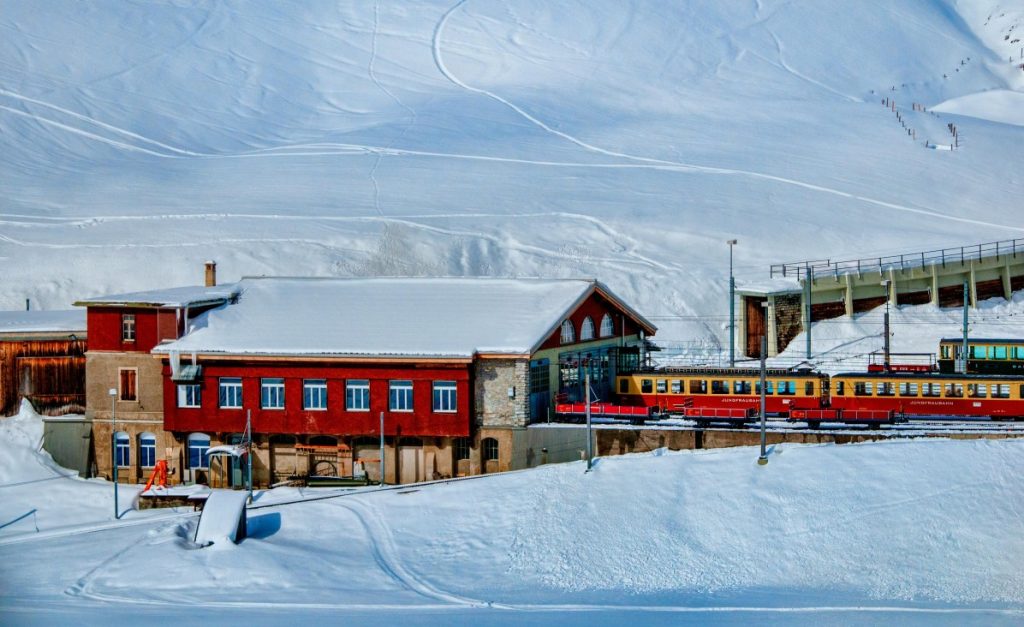
Switzerland is a dream trip destination with experiences for all types of travelers, from snow peaked mountains, sparkling lakes, charming medieval villages, and bustling cities. Whether taking a honeymoon trip, a family trip, a solo trip, or with a group, understanding the best time to visit is an important first step. You will have the possibility of a successful trip if you do your due diligence by planning your Switzerland itineraries creative tour packages that help you safely maximize your adventure, sightseeing, or relaxation efforts throughout your journey. Understanding Switzerland’s Seasons Switzerland transforms dramatically with the seasons, each offering unique experiences: Spring (March–May): Lower elevation snow melts; green meadows and blooming wildflowers abound. Perfect for walking tours, exploring the city, or taking photos in Zurich, Bern, and Lucerne. Less tourists mean you will enjoy sightseeing more. Summer (June–August): The mountains of the Alps are rich in greenery, with trails and lakes about which to create adventure. Cities are a vibrant hub of open-air markets, cultural festivals, and outdoor happenings. It is a place for families and couples and for people who are traveling alone to connect with nature and culture. Autumn (September–November): Switzerland turns golden and crimson; vineyards, alpine meadows, and forests are picturesque. Perfect for wine and food festivals, and a budget-friendly travel experience. Winter (December–February): The country is blanketed with snow: a winter paradise for skiing, snowboarding, tobogganing, and snowshoeing. Ideal for quaint honeymoon packages and delightful chalets. Visit Christmas markets, sip Swiss hot chocolate, and enjoy stunning train travel. Snow & Winter Activities For snow lovers, Switzerland in winter is unbeatable: Skiing & Snowboarding: Zermatt, St. Moritz, Verbier. Winter Adventures: Sledding, snowshoeing, winter hiking. Romantic Escapes: Chalets, private ski lessons, scenic gondolas. Festive Highlights: Christmas markets in Lucerne, Zurich, and Geneva. Booking guided tours or tour packages ensures safety, convenience, and access to hidden gems. Summer & Outdoor Adventures The Summer brings endless outdoor activities and city exploration: Hiking: Swiss Alps trails with panoramic views. Water Activities: Swimming, paddleboarding, or boat rides on Lake Geneva, Lucerne, and Thun. City Exploration: Zurich, Lucerne, Bern, and Interlaken offer culture, markets, and nightlife. Festivals: Open-air concerts, cultural events, and food fairs. Summer evenings are perfect for local cuisine, riverside cafés, and social nightlife. Must-Visit Cities & Attractions Lucerne: Medieval architecture, Chapel Bridge, and Lake Lucerne. Zurich: Modern city life, museums, shopping, and riverside strolls. Geneva: Jet d’Eau, lakeside promenades, and cosmopolitan vibes. Zermatt & Matterhorn: Skiing, hiking, and iconic alpine views. Interlaken: Adventure hub for paragliding, lake cruises, and hiking. Budget travelers can enjoy free attractions like hiking trails and lake promenades, while luxury seekers can opt for scenic train rides and private experiences. Suggested 7–10 Day Itinerary Days 1–2: Zurich – Old Town, Lake Zurich, museums. Day 3: Lucerne & Mt. Pilatus – Cable car, city strolls. Days 4–5: Interlaken & Jungfrau – Paragliding, hiking, lakes. Day 6: Zermatt & Matterhorn – Ski or summer hikes. Days 7–8: Geneva & Montreux – Jet d’Eau, Château de Chillon, vineyards. Days 9–10: Bern – Medieval streets, Zytglogge Clock Tower, local markets. Using a Switzerland travel planner ensures you balance nature, adventure, and urban exploration. Travel Tips Transport: Swiss Travel Pass for trains, buses, and trams. Accommodation: Budget hostels, mid-range hotels, luxury alpine resorts. Packing: Layered clothing, hiking shoes, swimwear. Etiquette: Punctuality, modest attire in churches, tipping appreciated but optional. Budget Travel: Eat at local cafés, use self-catering, and explore free attractions. Honeymoon & Romantic Experiences Switzerland is perfect for romance: Scenic train rides on Glacier Express or Bernina Express. Sunset cruises on Lake Geneva. Luxury spa retreats and chalet stays. Ski resorts for winter romance. Honeymoon packages combine private tours, romantic accommodations, and curated itineraries. FAQs Best time to visit: April–June (spring), July–Sept (summer), Dec–Feb (winter). Cities to visit: Zurich, Lucerne, Geneva, Interlaken, Zermatt, Montreux. Solo travel safety: Very safe with reliable transport. Must-see attractions: Matterhorn, Jungfraujoch, Rhine Falls, Lake Geneva, Château de Chillon. Budget options: Hostels, public transport, self-catering. Honeymoon packages available: Yes, with romantic experiences. Ideal itinerary: 7–10 days covers highlights comfortably. Nightlife: Zurich, Geneva, Interlaken – clubs, bars, live music. Switzerland is a utopia for nature lovers, adventurers, culture lovers, and honeymooners. From skiing the Alps to exploring quaint towns, skiing, enjoying lakes, and city life, it has it all. With a Switzerland travel guide or package, a considerate approach will help develop the perfect travel plan that includes the desired levels of adventure, relaxation, and romance. Start planning your unique escape to Switzerland now and enjoy the magic mix of snow, summer, culture, and adventure. Ready to explore every corner of Switzerland? Scroll down to dive into the complete Switzerland travel guide and discover the best seasons, cities, activities, and hidden gems for your perfect snow or summer trip. Switzerland Awaits, Any Season is Magical Switzerland is a country that feels like it was lifted out of a storybook. Snow-capped mountains, pristine lakes, medieval villages, and vibrant cities make it a dream place to visit for every type of traveler. Whether you’re planning your honeymoon, a family getaway, a solo trip, or even a group trip, knowing when the best time is to visit Switzerland is important to help you have the best experience possible. Take Anna and Marco from Italy who wanted to visit Switzerland for their honeymoon, for example. They began planning their trip for several months using a Switzerland travel guide, and a Switzerland trip planner. Ultimately, by organizing their days, they were able to do snow sports in Zermatt, summer hiking in Interlaken, or cultural walks in Lucerne – all in one trip. A structured Switzerland travel itinerary is a must to incorporate the full range of adventure, sightseeing, and relaxation for a rewarding trip and to maximize the value of each trip. With customized and curated Switzerland tour packages, tourists will experience popular attractions and hidden gems, from elevated views of the mountains to quaint Swiss villages. Whether it’s your first time traveling to Switzerland or planning a romantic trip with
Explore Bali Beyond Ubud: Hidden Beaches & Villages
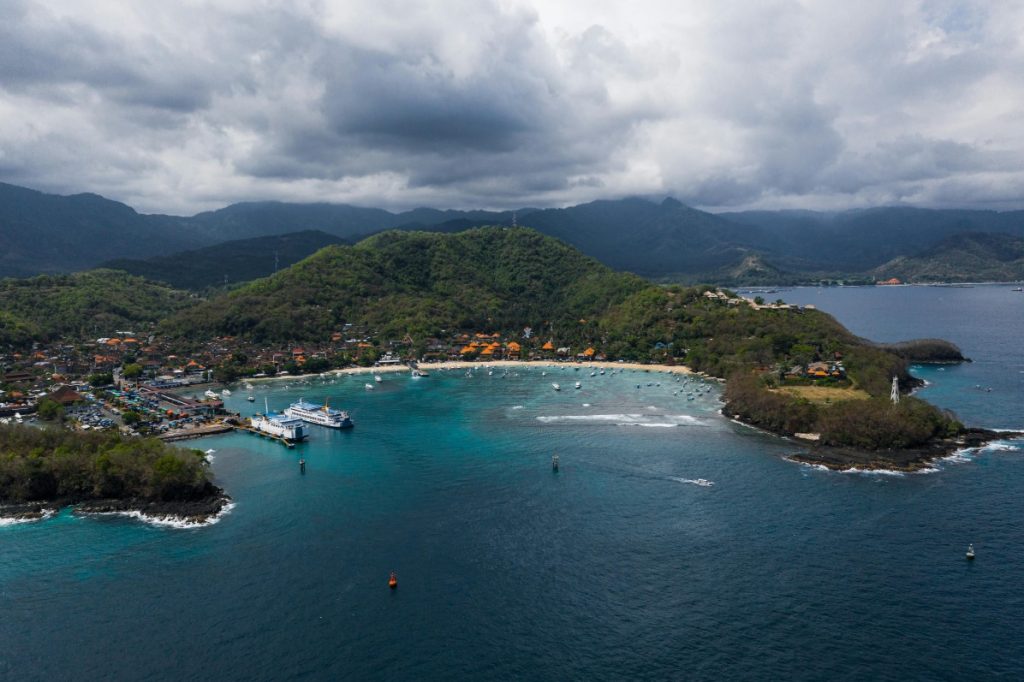
Most people visiting Bali will think of rice terraces and yoga retreats in Ubud, but the island’s true beauty is often found away from the common hotspots. Bali offers hidden beaches, traditional villages, waterfalls, and adventure trails, which underpin a cultural, nature, and local life-filled Bali adventure for all visitors to experience. Utilize a Bali travel planner or Bali trip planner to help ensure that you discover Bali’s hidden gems efficiently and in a meaningful way. Offbeat Beaches Canggu Bali: Surf, yoga, and sunset vibes! With hip cafes, smoothie bowls, and live music, Canggu is perfect for Bali solo travel or couples. Sanur Bali: Calm, family-friendly, and perfect for traveling the beachfront by bike. It is also the gateway to see Nusa Lembongan and Nusa Penida for an island getaway. Nusa Dua Bali: Home to luxury resorts, white sand beaches, and cultural experiences such as Museum Pasifika, Nusa Dua is perfect for Bali honeymoon packages all inclusive. Jimbaran Bali: Known for its sunset seafood dinners on the beach, Jimbaran is a must-visit for couples and families traveling together. Hidden Villages & Cultural Escapes Sidemen Village: Surrounded by stunning rice fields and offers weaving workshops and homestays. This is the perfect destination for the Bali honeymoon itinerary and provides a peaceful and authentic experience. Penglipuran Village: Regarded as one of the cleanest villages in Bali and continues to maintain its traditional architecture and local traditions. Tabanan & Jatiluwih Rice Terraces: UNESCO-recognized rice terraces that are perfect for an early morning walk, taking photos, and engaging with local culture. Adventure Trails Mount Batur Trek: Trekking to the summit of Mount Batur for sunrise views over the lake and volcano. Moderate difficulty; guided treks recommended. Rice Terraces and the Tegallalang: Walk paths to see the rice terraces or just be present to see produce agriculture and interact with farmers doing traditional irrigation. Waterfalls: Tegenungan (easy access), Tukad Cepung (different – hidden cave), Sekumpul (remote jungle). Wellness & Yoga Retreats Ubud Outskirts: Forest sanctuaries for meditation, healing, and spiritual connection. Canggu: Surf-friendly yoga studios and morning beach sessions. North Bali: Less touristy, perfect for detox, wellness, and mindful relaxation. Where to Stay Budget: Homestays located in Sidemen or Sanur to experience authentic local life. Mid-range: Boutique villas in Canggu or Seminyak to provide comfort and cultural experience. Luxury: Spa resorts located in Uluwatu, Nusa Dua, or Jimbaran for Bali honeymoon packages with everything included. The Tarzan Way offers curated stays connecting you to culture, hidden gems, and immersive adventures. Bali Nightlife & Food Scenes Seminyak: Upscale beach clubs and live music. Pair with spa or cycling tours. Canggu: Night markets, cafés, and acoustic music venues for solo travelers and digital nomads. Jimbaran & Sanur: Sunset dining and relaxed evenings. Local flavors include Nasi Campur, Lawar, Bebek Betutu, and Sate Lilit, best explored through food tours. Suggested 7–10 Day Bali Itinerary Day 1–3: Ubud, Sidemen, Mount Batur sunrise trek, Tegallalang rice terraces. Day 4–5: Canggu, Seminyak, Uluwatu, Jimbaran beach. Day 6–7: Nusa Dua, waterfalls, Sanur, optional island hopping. Optional Days 8–10: Tabanan exploration, workshops, spa retreats, and shopping. Check Complete Bali Itinerary (5, 7, 10 Days) for details. Best Time to Visit Bali April–June: Dry season, ideal for beaches and waterfalls. July–September: Peak season, festivals, and nightlife. October–March: Rainy season, perfect for wellness and spa retreats. Travel Tips Use scooters or local drivers for navigating the area. Remember to bring small bills in IDR for local shopping. Lightweight clothing, swimwear, hiking shoes, and yoga clothes are recommended. Dress modestly at temples and observe local customs. Bali is a rich tapestry of beaches, villages, waterfalls, and temples. Slow down, discover hidden paths, and participate in local life. With experiences curated for you from The Tarzan Way, let your Bali trip be a blend of adventure, culture, wellness, and romance. Begin your hidden Bali adventure today! Ready to dive deeper? Scroll down to explore the complete Bali travel guide and uncover every hidden beach, village, and local experience waiting beyond Ubud. Beyond Ubud – The Real Bali Begins Here When most people think of Bali, they think of Ubud – rice terraces, yoga, and a spiritual sense of calm. For Mira and Karan, who first traveled to Ubud on their honeymoon, Bali was full of secrets that went beyond the obvious postcards. On their second day in Ubud, they left the busy streets and went off the beaten path. They drove before the sun had finished rising over the horizon as they crossed emerald rice paddies, small rivers glistening in the sunlight, and tiny villages watching time pass without visitors. This was the other side of Bali; an island full of stories, traditions, and landscapes that many visitors never see. Bali is not just a group of resorts and temples, it is a living mosaic of experiences waiting to be discovered. If you want to plan a trip like Mira and Karan did in Bali, use a Bali travel planner or Bali itinerary planner. A properly organized Bali itinerary will give you time to visit hidden beaches, ancient villages, and adventure trails, while also capturing the true magic of the island. For first-time visitors, the Bali Travel Guide 2025 – The Ultimate Planner for Your Dream Trip provides detailed tips on transport, cultural etiquette, and must-visit spots. The Allure of Hidden Bali There exists a Bali beyond Ubud, and the busy streets that accompany most tourist centers. This is a Bali where mornings are spent smelling frangipani, witnessing locals work in rice paddies, and fishermen throwing their nets in a quiet cove. Visiting some remote corners of the island can give you: Quiet beaches like Balangan or Bingin, where the ocean seems endless. Authentic villages preserving centuries-old crafts and customs. Adventure trails ranging from volcano treks to jungle waterfalls. Wellness escapes tucked away in quiet corners, perfect for solo travelers or honeymooners. When you plan with a Bali vacation planner or tour packages to Bali, you can create a travel balance of adventure, culture, and relaxing
Best Singapore City Tours with Unique Local Experiences
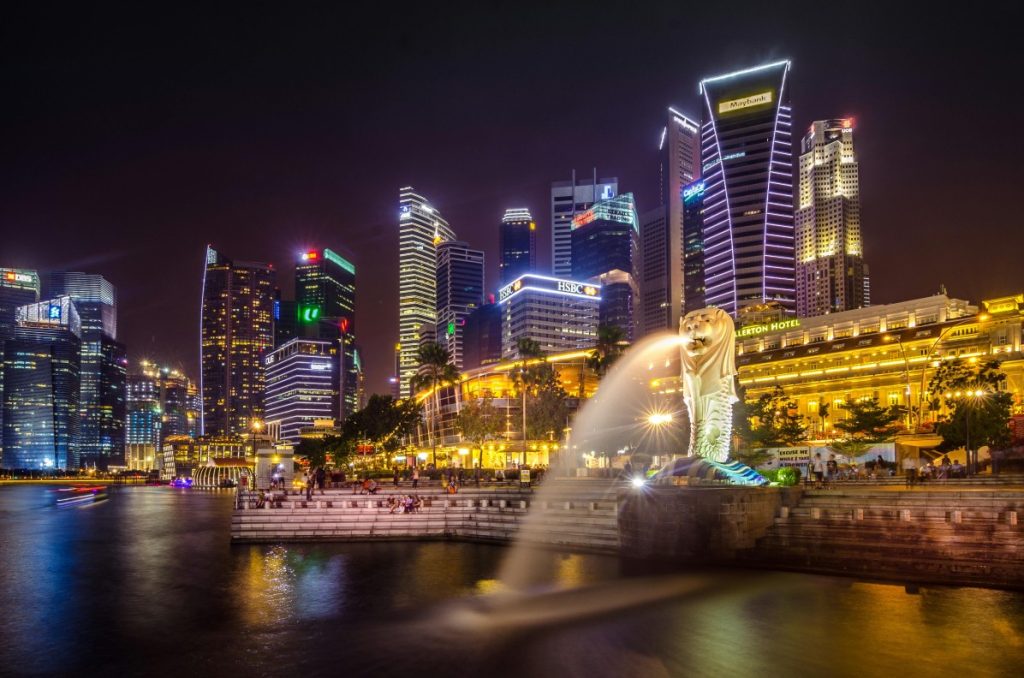
There is more to Singapore than Marina Bay Sands or Gardens by the Bay; it is a blend of culture, history, cuisine, and little-known narratives. The best way to delve into the city is to walk its streets, explore its neighborhoods, and participate in urban walks and city tours. The Tarzan Way offers curated experiences for first-time visitors that juxtapose well-known attractions with authentic interactions with the locals. Why City Tours Matter City tours are bridges to culture, history, and community. Benefits: Discover hidden gems not in guidebooks Save time with guided routes Interact with locals, taste authentic food, attend festivals Ideal for solo travelers, couples, and families who are looking to immerse themselves in Singapore vacation experiences. Types of City Tours 1. Heritage & Cultural Tours Explore Chinatown, Little India, Kampong Glam. Learn stories behind temples, markets, and family-run shops. Experience traditional food, art, and festivals. Pro Tip: Wear comfortable shoes; carry water. 2. Nature & Urban Green Tours Visit Gardens by the Bay, Singapore Botanic Gardens, Southern Ridges. Enjoy walking, hiking, panoramic views, and seasonal light festivals. Pro Tip: Bring a camera, sunscreen, and enjoy family-friendly spots. 3. Night Tours & Light Experiences Discover the city after dark: Marina Bay light show, Clarke Quay nightlife, Jewel Changi waterfall. Great for couples, photographers, and evening relaxation. 4. Culinary & Street Food Tours Must-visit hawker centers: Maxwell Food Centre, Old Airport Road, Lau Pa Sat. Sample iconic dishes like chicken rice, laksa, satay, and desserts. Pro Tip: Carry small bills, eat what locals eat, and ask about family recipes. 5. Offbeat & Thematic Experiences Hidden gems like Tiong Bahru murals, Pulau Ubin cycling, workshops (batik, Peranakan cooking). Ideal for travelers seeking authentic, local stories and hands-on experiences. Suggested Singapore 5-Day Itinerary Day 1: Marina Bay, Gardens by the Bay, river cruise Day 2: Chinatown & Little India heritage tours Day 3: Sentosa Island, Universal Studios/S.E.A. Aquarium Day 4: ArtScience Museum, Tiong Bahru cafés, Orchard Road shopping Day 5: Botanic Gardens, local cafés, Jewel Changi waterfall Pro Tip: Start early, plan around MRT routes, carry water and a camera. Best Time to Visit Jan–Mar: Pleasant, ideal for sightseeing Apr–Jun: Hot and humid; indoor attractions recommended Jul–Sep: Festival season, cultural immersion Oct–Dec: Occasional rain; Christmas lights and markets Planning around festivals enhances your Singapore trip guide experience. Where to Stay Bugis: Central, lively, MRT access Chinatown: Budget-friendly, culture-rich Clarke Quay: Nightlife and riverside dining Little India: Colorful heritage vibe Pro Tip: Stay near MRT lines for easy access to attractions. Special Experiences Romantic: Sunset cruises, rooftop dinners, spa retreats Family-Friendly: Sentosa, Night Safari, Singapore Flyer Solo Travel: Pulau Ubin cycling, hawker tours, cultural workshops Travel Tips Transport: MRT, buses; EZ-Link card recommended Apps: Grab, Google Maps for easy navigation Safety: Singapore is extremely safe Currency: SGD; small bills for hawkers Etiquette: Respect temples, avoid littering, follow local rules Shopping & Souvenirs Bugis Street: Fashion, souvenirs, quirky finds Chinatown: Crafts, snacks, home décor Little India: Textiles, spices, handcrafted items Orchard Road: Luxury and mid-range shopping Conclusion Singapore is a city filled with stories, flavors, and hidden treasures. Travelers can fully immerse themselves in the Singapore experience by participating in city tours, strolling through neighborhoods, sampling delicious street food, and attending festivals. You can visit on your own, as a couple, or with family; there is a way for everyone to create memories, immerse in culture, and enjoy local experiences that are only available in Singapore.
Top Dubai Tours: Perfect for Groups & Solo Travelers
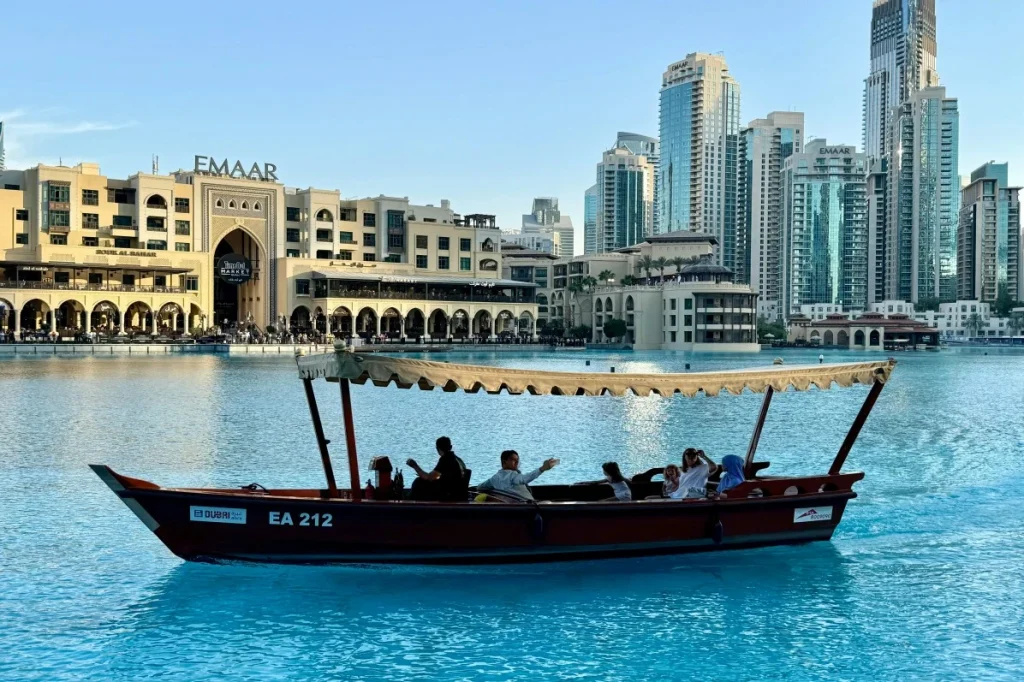
Dubai is full of contrasts — huge skyscrapers next to golden deserts; fancy resorts next to traditional bustling souks; and, on every corner, stories to uncover. Dubai has something for every traveler whether you’re traveling alone, with friends, or in a group. From adrenaline-charged activities to cultural explorations. Here is your guide to the best Dubai tours to help share ideas for your ideal trip. Planning a Dubai tour may seem overwhelming – there are so many options! The Tarzan Way has you covered. Tour itineraries designed by the experts help travelers narrow down experiences based on preferences, group size, and time pace so you can focus on memories without stress. Why Choose Dubai Tours? Exploring Dubai is more than basic sightseeing – it’s about experiencing the city more thoughtfully. Here are reasons why it’s a good idea to participate in a guided tour or follow a set itinerary: Local Knowledge: If you’re going to go on a guided tour, the tour guide is likely going to know the perfect times to see the best spots, where the hidden gem locations are. Convenience for Groups: Coordinated transport(relieving the burden of car rentals and taxis), entrance tickets, and tour guides make for a relaxing experience for all. Comfort Factor for Solo Travelers: Small group tours offer a perfect place to meet other like-minded travelers while also keeping it safe. Unique Experiences: Sometimes, a tour can include desert activities like safaris or cultural walks that can add a lot to your visit and show what to do in the tour besides dune bashing. If you like finding ways to get off the beaten path during travel, there’s a great blog about Dubai Desert Safaris – Offbeat and Unique Experiences You Can’t Miss that shares unique ideas on things to do in the desert instead of dune bashing that you’ll never forget! Top Dubai Tours for Group Travelers 1. Desert Safari Adventure A desert safari is a must-do while in Dubai — be it just a half-day ride or possibly an overnight camp, the desert is where adventure meets culture. What will you be doing: dune bashing, camel rides, standard sandboarding, and BBQ dinners under the stars, punctuated by traditional music. Pro Tip: Make sure you book for an evening — you’ll catch the dunes glowing from the sunset, and the temperature is cooler in the evening. For travelers looking for offbeat and unique experiences, combining the desert adventure with small cultural insights can be truly magical. You can even read Top Free Offbeat Things to Do in Dubai for ideas on quirky spots to explore nearby. 2. Dubai City Tour If you’re visiting the city for the first time, you definitely want to join a guided city tour. You will see all of the major sites without the stress of figuring things out based on transportation. Highlights of the tour include: Burj Khalifa, Dubai Mall, Dubai Fountain, Jumeirah Mosque, Palm Jumeirah, Atlantis The Palm. Pro Tip: If you choose a morning tour, there are usually fewer crowds. It is perfect to do the tour in the day, and then go back for the evening fountain show. Members also love this type of tour because they combine seeing the sites, and a little flexibility for shopping or photo stops. 3. Abu Dhabi Day Trip A short drive from Dubai will take you to Abu Dhabi, where you can enjoy culture and luxury beyond what Dubai has to offer. As a reminder, Abu Dhabi’s highlights include: Sheikh Zayed Grand Mosque, Louvre Abu Dhabi, Ferrari World, and Yas Marina Circuit. Pro Tip: Visiting on a midweek day is quieter and more relaxing. Usually, you can plan the wonder of a day trip to Abu Dhabi alongside your Dubai city tour as part of a larger experience of the UAE together. This arrangement tends to serve well for travelers wanting a modern city and culture. 4. Adventure & Sports Tours Dubai offers plenty for those who seek an adrenaline rush. From sky-diving over Palm Jumeirah, to jet-skiing and flyboarding, there is no shortage of excitement for every type of thrill seeker. Pro Tip: If you are traveling in the high season (Nov-Mar) to Dubai, take the opportunity to book in advance to guarantee time-slots for the best adventures at the best price. Whether you are a solo traveller or part of a group, adventure and sightseeing tours are going to be an especially engaging way to visit Dubai. Don’t forget, if you want to incorporate an ‘off the beaten path’ and experience that is a little more affordable, some experiences shared in this post from Dubai Travel on a Budget – Is It Possible? would compliment a great, fun day. 5. Cultural & Historical Tours Dubai has a rich past, and exploring it can be fascinating. Al Fahidi Historical District, Dubai Museum, Dubai Creek, Gold Souk, Spice Souk are the highlights. Pro Tip: Take a traditional abra ride across Dubai Creek — it’s a peaceful and authentic way to soak in the city’s history. For a more romantic and cultural angle, couples can also check Old Dubai’s Hidden Gems – Cultural Charms for a Romantic Getaway for ideas on scenic walks and historical spots. Best Dubai Tours for Solo Travelers 1. Walking & Food Tours Solo travelers love walking and food tours — they’re social, easy, and authentic. Highlights: Try shawarma, luqaimat, camel milk ice cream, and explore lively neighborhoods. Pro Tip: Evening tours combine food sampling with cultural insights — a great way to meet people. 2. Art & Photography Tours Dubai’s public art, skyscrapers, and street murals make it a photographer’s paradise. Highlights: Alserkal Avenue, Dubai Opera, colorful murals, futuristic architecture. Pro Tip: Early morning light is ideal for capturing the best photos. For solo travelers looking for creative inspiration, there’s a helpful guide on Dubai Dreams – Honeymoon Adventures Unveiled that also includes visual spots perfect for photography. 3. Wellness & Spa Tours Relaxation is also part of the solo travel experience
Best Time to Visit Singapore for Festivals & Events
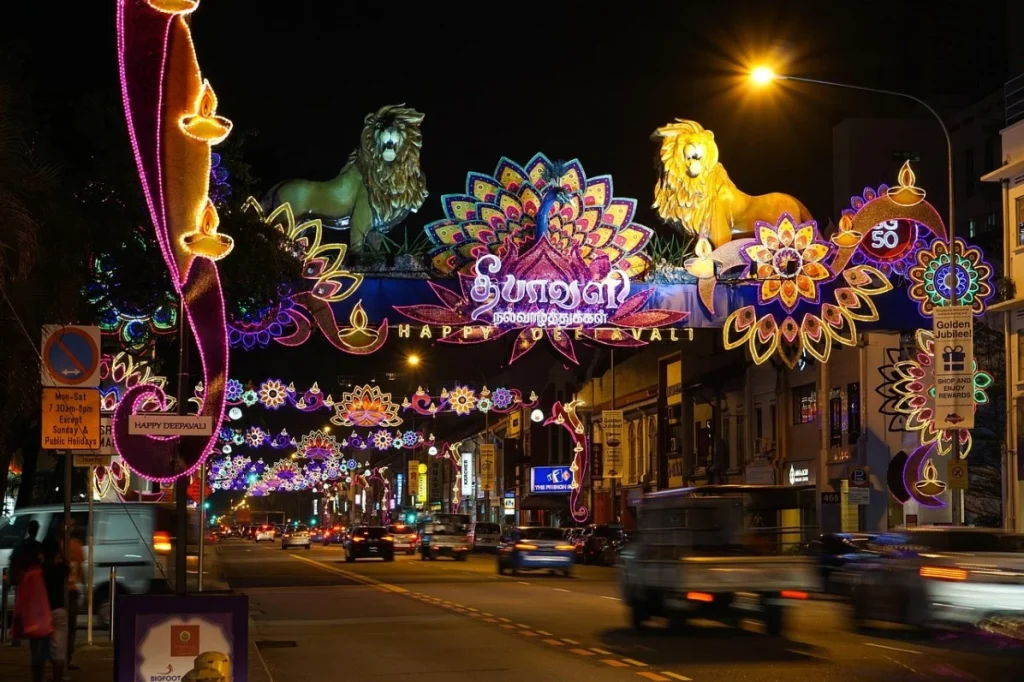
Singapore is one of those places teeming with life, with a little of everything for visitors all year round; a tiny island bursting with color, energy, and celebration every single month. From the spectacular street parades and celebratory cultural feasts to the international music festivals and mega shopping carnivals, Singapore never tires. But of course, the question travelers always want to know is — “When is the best time to visit Singapore?” The ‘best time’ will depend entirely on what kind of experience you are wanting to have. Whether that means immersing yourself in the glow of Chinese lanterns, or tasting your way through hawker stalls at the food festival, or dancing with revelers under fireworks on New Year’s Eve, we walk you through the best seasons and events that will have you planning your trip to Singapore with ease. And if planning your trip sounds like too much work, The Tarzan Way will make this effortless. It will help you build smart, experience-driven travel plans based on what you love, so you can concentrate on enjoying Singapore and not worrying about the logistics. Understanding Singapore’s Seasons Compared to many other countries of the world, Singapore does not really have four seasons; it has a tropical climate, which means it is warm and humid throughout the year. The average temperatures range between 25°C and 32°C, and it tends to rain briefly on occasion. There are two monsoon seasons: Northeast Monsoon (Dec–Mar): This typically produces more rain, and generally contains cooler winds. Southwest Monsoon (Jun–Sep): This typically produces lighter rains and breezy weeks. So, if you plan on going on a trip purely based on the weather, the best time to go out and experience all the sights is from February to April when the rain recedes, the skies clear up, and all the outdoor events commence. Pro Tip: Always take with you a random light rain jacket or umbrella — the rain can always be unpredictable, yet usually rather short-lived. You’d be surprised how many Singaporeans wait in their favorite cafés and malls to let the rain cease before making their return back outside. Major Festivals & Events Month by Month January–March: Cultural & New Year Festivities If you revel in vibrant traditions, these months are a sensory overload. The city turns into a sea of red and gold with Chinese New Year; Chinatown comes alive with lion dances, lanterns, and street food. The Chingay Parade is one of Asia’s largest street performances and takes over the city with floats, dancers, and costumes covered in sequins and electronics flashing lights. For a deeper look into a cultural experience there is Thaipusam, a Hindu festival where devotees carry ornate structures called kavadis in a spiritual act of devotion. It is often intense, spiritual and uniquely Singaporean. If you’re a first-time visitor, this period gives you a rich taste of the island’s multicultural energy. You can dive deeper into the city’s cultural neighborhoods with this detailed Singapore Travel Guide 2025 – Everything First-Time Visitors Need to Know. April–June: The Food & Shopping Lovers’ Season In April, the city exchanges the traditional festival atmosphere for a more gluttonous experience. This is the time when the Singapore Food Festival stages itself — a historic experience for any foodie. With amazing pop-up stalls, hawkers selling delicious food, Michelin-rated food events, and creative culinary learning experiences, you’ll be able to taste fare representing just about every corner of Asia, as well as the dishes you must try, such as laksa, chili crab, and satay. At the same time, The Great Singapore Sale takes over the malls and shopping districts. Orchard Road, Bugis, and Marina Bay become a shopping paradise filled with unending offers and deep discounts on luxury brands, electronics, and fashion. It’s also a great time for travelers looking for budget-friendly Singapore travel packages. You can find curated options here — Book Singapore Experiential Travel Packages Under $1000. Pro Tip: Combine the food festival with your shopping spree — hop between hawker stalls during the day and night markets for souvenirs in the evening. July–September: Music, Lights & National Pride If you would like to see the energetic side of Singapore, this is a great time to visit. In August, we have National Day, where the nation comes together in red and white with art shows, fireworks, and a sense of national pride. The celebration is in its finest form at Marina Bay with an exhilarating atmosphere. Next is the Singapore Night Festival, a creative extravaganza that transforms the Bras Basah-Bugis district into an outdoor gallery of visual art in the form of projections, performances, and immersive experiences. Also, September is when the Singapore Grand Prix happens, one of the great night races in Formula 1. Even if you are not a motor sport fan, you will love the concerts, parties, and energy of the occasion. Pro Tip: Hotels fill up quickly during the F1 season. Book early or stay in neighborhoods like Tiong Bahru or Katong for a quieter, authentic local experience. October–December: Festive Lights & Romantic Getaways This is possibly the most enchanting season of the year in Singapore. The month of October comes alive with Deepavali, where the streets of Little India are decorated with dazzling decorations, multicultural markets, and endless colorful sweet options. By November, Christmas on Orchard Street will turn the iconic boulevard into a glowing magical wonderland with lights, carols, and themed installations. Then, December will be the best month for couples, when the city is cozy and merry, and perfect for long romantic walks along the Marina Bay waterfront, or rooftop dinners with great views of the skyline. If you’re planning a couple’s escape, check out these Singapore Honeymoon Packages: Best Ideas & Itinerary for inspiration. Pro Tip: Visit during early December — you’ll catch both Deepavali lights and the Christmas charm without peak holiday crowds. Choosing the Best Time Based on Your Travel Style For Culture Seekers (Jan–Feb): Chinese New Year, Thaipusam, and Chingay Parade offer
Best Vietnam Group Tours for Young Travelers

Vietnam is not just a destination – it’s a human connection experience. Between the night markets of Hanoi and the rice terraces of Sapa, there’s magic waiting to be explored at every corner of the country. And when travelers share those experiences with fellow wanderers, they become stories you will tell for the rest of your life. For youthful knowledgeable travelers who want some adventure, culture, and maybe a bit of chaos, Vietnam group tours perfectly balance independence and fun as you meet people from around the world, all there to experience the food, history, and hidden treasures that Vietnam has to offer. Whether you’re traveling alone or with some buddies, participating in a well-planned group journey means you can spare the strain of planning and get right to the fun of Vietnam – The Tarzan Way can offer simple customizable itineraries to best accommodate your vibe and budget. Why Vietnam is Perfect for Young Travelers Budget-Friendly Yet Experience-Rich You do not need a lot of money to have a pleasant visit to Vietnam. Food from street stalls can be as low as one dollar, local trains provide a great way to see scenery while also being inexpensive, and you can find hostels throughout the country that provide clean environments and a social scene for backpackers. A two-week trip to Vietnam for under $800, including accommodations, intercity travel, and tours, is easy – a small fraction of what you would spend in Europe or Japan. Vibrant Social Travel Culture Every major location in Vietnam – from Hanoi’s Old Quarter to Hoi An’s riverside bars – relies on social energy. Travelers connect over the same meals, the same hostel pub crawls, the same once-in-a-lifetime motorbike rides, and the same sleepless overnight trains. Most group tours are comprised of backpackers, students, and young professionals in the 18–35 demographic and come with built-in energy and casual atmosphere. Adventure at Every Turn Few countries present so much diversity in such a small package. You can take a trip to Ha Long Bay and cruise through limestone cliffs, trek through terraced rice fields in Sapa, explore caves in Phong Nha, and then party at the beaches in Phu Quoc – all in one trip. Top Group Tour Routes for Young Travelers 1. Northern Vietnam Explorer – Hanoi, Ninh Binh, Sapa & Ha Giang This area is the heart of Vietnam. This is the ideal destination for the adventurous types who appreciate rough nature, real culture, and scenic drives. Hanoi: Begin in the capital city among narrow streets full of scooters and food stalls. Make sure to try egg coffee and Bia Hoi nights with the locals. Ninh Binh (Tam Coc): Sometimes referred to as “Ha Long Bay on land,” Ninh Binh is a beautiful destination for boat rides through limestone karsts and golden rice fields. Sapa: Trekking through villages of different ethnic minorities such as Hmong and Red Dao; overnight homestays may provide an interesting angle to local life. Ha Giang Loop: The best motorbike trip ever! With winding roads around mountains and valleys by the Chinese border, this four-day ride may be one of the most picturesque rides in Asia. Most northern group tours last 7–10 days, offering a mix of trekking, homestays, and road trips with small, friendly groups. Pro Tip: Pack warm layers — mountain weather changes fast! Rent a motorbike with a guide for the Ha Giang Loop; it’s safer and way more fun. 2. Central Vietnam Adventure – Hue, Hoi An & Phong Nha In Central Vietnam, you’ll find ancient culture, stunning coastlines, and captivating caves. Hue: It was once an imperial capital and is home to royal tombs, temples, and the Perfume River. Hoi An: The most beautiful town in all Vietnam – famous for colorful lanterns that light the streets, many tailor shops, and restaurants along the river. Phong Nha-Ke Bang National Park: A playground for adventure seekers. Visit enormous caves like the Paradise Cave, or zipline into the Dark Cave and enjoy a mud bath inside! Most tours in the central region typically include cycling tours, caving activities, and beach parties, which can offer a nice combination of a relaxing vacation, and an adventure holiday. Pro Tip: Visit Hoi An’s Lantern Festival if your trip aligns — it’s magical. Book cave tours in advance, as Phong Nha’s adventure slots fill up quickly. 3. Southern Escape – Ho Chi Minh City, Mekong Delta & Phu Quoc The south is all about contrasts – bustling metropolises versus quiet rural areas. Ho Chi Minh City (Saigon): Experience the buzz of nightlife, rooftop bars, and historical locations like the Cu Chi Tunnels. Mekong Delta: Glide through floating markets, coconut farms, and stilt houses – the true essence of rural Vietnam. Phu Quoc Island: End your journey on the velvet beaches that rise out of the azure water. Swim, snorkel, kayak, and watch the sun drift into the ocean. Southern Vietnam group tours work for socially minded travelers focused on history and hedonism – visiting war museums during the day then going to bustling markets by night. Pro Tip: Try a night cruise on the Saigon River for skyline views. In the Mekong, start early to catch the floating markets before they close by noon. Offbeat & Themed Group Tours for the Curious Traveler Cultural Immersion Tours Live with local families in Mai Chau or Pu Luong, learn to cook pho in Hoi An, or join rice harvest festivals in the north. These tours are immersive, sustainable, and deeply meaningful. Adventure Expeditions Trek across remote highlands, camp under the stars, or kayak through Lan Ha Bay – a quieter and cleaner alternative to Ha Long Bay. Perfect for thrill-seekers. Food & Nightlife Tours From bun cha and banh mi to rooftop cocktails in Saigon, food tours in Vietnam are a sensory overload. Some tours even include cooking classes, bar crawls, and live music nights. Motorbike Road Trips The Ha Giang Loop and Hai Van Pass are legendary among bikers. Join a
Hidden Gems in Vietnam Beyond Hanoi & Ho Chi Minh
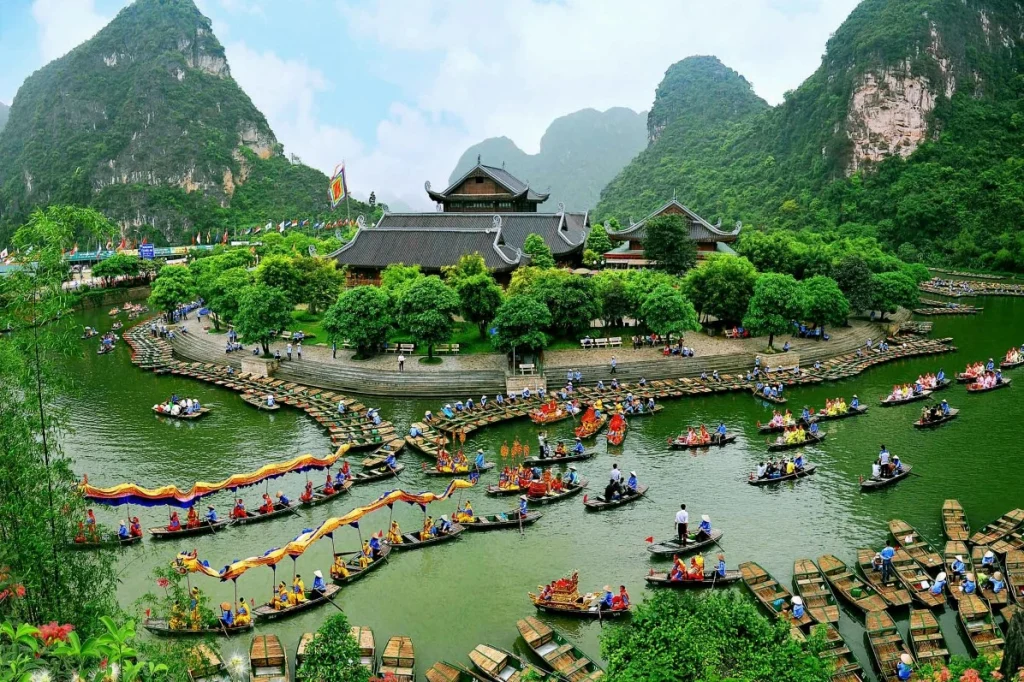
There is something wonderful about Vietnam: the smell of strong coffee in the morning, mist hovering over the green rice fields, and roads that go on forever, winding through mountains and fishing villages. Most visitors stop in Hanoi or Ho Chi Minh City. But if you dig a little deeper, you might find a version of Vietnam that seems slower, more local, and even more beautiful. If you’re planning your first trip to Vietnam and want to wander off the beaten path a bit, this guide will help you find the hidden gems across the country: the quiet towns, untouched islands, and truly soulful landscapes that somehow never make it onto a postcard. And, if you’re looking for some help creating a route that perfectly fulfills your travel style, The Tarzan Way, an AI-powered personalized Vietnam trip planner, can make that process easier. Why Go Beyond Hanoi & Ho Chi Minh? Avoid the crowds: Vietnam’s metropolitan areas are lively, but you’re able to connect with locals and experience more open space by venturing into lesser-known areas. Experience real Vietnamese life: In the countryside and on the coast, you will see ordinary life, like farmers tending to rice paddies, fishermen mending their nets, and children waving as you drive by. Find peace and beauty: You’ll then find tranquil places to explore; misty valleys, limestone mountain peaks, and wide, empty beaches without the map. Affordable exploration: Many off-the-beaten-path regions are more affordable than standard travel and more authentic by offering unique homestays or small eco-lodges. Hidden Gems to Add to Your Vietnam Travel Itinerary Each of the below destinations brings a different side of Vietnam to life – from wild mountains to untouched islands and calm lakes. Ninh Binh (Trang An & Tam Coc) Often called “Halong Bay on land,” this peaceful area offers limestone karsts rising from rice paddies. Take a sampan boat through caves and temples surrounded by calm waters. Perfect for travelers seeking slow mornings and quiet evenings in nature. Ha Giang Loop & Dong Van Plateau One of Vietnam’s most breathtaking drives, full of winding mountain roads and deep valleys. Ride or join a guided loop tour to see ethnic minority villages, local markets, and cliff-edge viewpoints. Ideal for adventure seekers planning their Vietnam travel itinerary. Phong Nha–Ke Bang National Park Home to some of the world’s largest caves, like Son Doong and Paradise Cave. Try a jungle trek, river cave exploration, or a boat ride into the dark cave systems. Great stop for travelers mixing adventure with natural wonders. Ba Be National Park A serene freshwater lake surrounded by dense jungle and waterfalls. Stay with local Tay families in stilt houses and enjoy home-cooked meals. Adds a peaceful pause to your Vietnam trip itinerary. Pu Luong Nature Reserve Think of green rice terraces, wooden bridges, and quiet trekking trails. Perfect for those who want a rural experience without tourist crowds. Great alternative to Sapa if you prefer offbeat adventures. Quy Nhon & Phu Yen Vietnam’s underrated coastal duo is known for turquoise waters and local charm. Enjoy empty beaches, fresh seafood, and hidden rock formations like Ganh Da Dia. Add them to your Vietnam travel planner if you love sea views without resort crowds. Con Dao Islands A small archipelago far from the mainland, famous for its clear waters and coral reefs. Ideal for snorkeling, diving, and quiet romantic escapes. Also holds historical significance as a former prison island – a mix of history and serenity. Ban Gioc Waterfall (Cao Bang) One of Southeast Asia’s most stunning waterfalls, right on the border with China. Surrounded by karst peaks and green valleys, it’s a photographer’s dream. Reachable by scenic routes that make for a great road trip addition. Dalat’s Countryside Trails Beyond the town center, explore coffee plantations, flower farms, and waterfalls. The cool mountain weather and pine forests make it perfect for couples or solo travelers seeking calm. Mekong Delta’s Lesser-Known Routes Skip the crowded floating markets and visit smaller provinces like Tra Vinh or Ben Tre. Take a boat through narrow canals, cycle through coconut groves, and meet Khmer communities. A gentle, cultural side of southern Vietnam. Planning Practicalities & Insider Tips Best time to visit: Overall, travel is best from November through to April when the weather is dry and pleasant. If you want more seasonal insights, refer to our Best Time to Visit Vietnam in 2025 for Travelers to work out which routes are most suitable. Transport: Domestic flights and trains are very effective for long routes, while you can rent a motorbike or use the local bus for shorter distances. Where to stay: Homestays and eco-lodges offer the most authentic, local experience as well as hospitality. Budget: Travelling in Vietnam is very manageable. Even in offbeat locations, you will find decent accommodation at a good price. Packing: Bring light clothing for the south and layers for the north. If you are travelling during the monsoon season, don’t forget to bring a rain jacket. Local etiquette: Smiling is encouraged, always remove your shoes when entering homes, and always show respect to elders. If trip planning feels overwhelming, a tailored itinerary from The Tarzan Way can simplify your route while keeping it flexible and personalized. Offbeat Vietnam Itinerary Ideas 7-Day Northern Escape Day 1–2: Hanoi arrival and day trips to Ninh Binh. Day 3–5: Explore Ha Giang Loop. Day 6: Relax in Ba Be National Park. Day 7: Return to Hanoi for departure. 10-Day Coastal Trail Day 1–2: Fly to Da Nang, visit My Son ruins or Hoi An. Day 3–5: Head to Quy Nhon and Phu Yen for quiet beaches. Day 6–8: Fly to Con Dao Islands. Day 9–10: End with a cultural evening in Ho Chi Minh City. 2-Week Explorer’s Route North: Hanoi → Ha Giang → Ba Be → Phong Nha Central & South: Dalat → Quy Nhon → Mekong Delta (Ben Tre or Tra Vinh) A perfect balance of nature, culture, and coastline. Responsible & Local Travel Support small family-run
Dubai Desert Safaris & Offbeat Experiences You Can’t Miss

There is something magical about the desert that words cannot express—the endless golden sand dunes, the stillness of the sun sinking into the horizon, and the sparkling stars that twinkle down on you when the sun goes down. Most people think of Dubai as luxury shopping, iconic skyscrapers, and city life—but go a little further out of the city, and another world unfolds. And while dune bashing and camel rides are some of the most popular activities to do in the desert, there are other experiences you will remember long after your trip is over. If you are planning a Dubai holiday, or are simply looking for a unique way to enjoy the desert, The Tarzan Way can assist with crafting experiences based on the type of adventures you’ve always dreamed of—whether it resembles an adventure, a romantic getaway, or simply a moment to unwind and relax. Why Dubai’s Desert Is More Than Just a Safari Many people tend to believe that a desert trip in Dubai is simply a few hours of dune bashing, an obligatory camel selfie, and a quick dinner at a camp. In reality, it is an opportunity to very literally enjoy the slow passage of time, where every moment seems like a beautiful moment in cinema. Romantic Desert Moments A romantic early morning camel ride two hours before sunrise reveals soft pink and orange skies, while evenings bring golden sunsets and the whispers of Bedouin stories carried by the wind. A Space for Peace, Romance, and Adventure Dubai’s desert offers a space to find peace, celebrate romance, or seek adventure — far beyond the typical ride experience. Beyond the Usual Safari From sandboarding and falcon shows to stargazing under an infinite night sky or sharing a private dinner in the dunes, every moment adds depth to your Dubai trip itinerary. If you love uncovering hidden gems, also check our post on Top Free & Offbeat Things to Do in Dubai for ideas beyond the usual tourist trails. Top Dubai Desert Experiences Beyond the Standard Safari Here’s where your desert adventure goes from ordinary to extraordinary: 1. Sunrise & Sunset Photography Tours A photographer’s dream can be found in the desert—the early-morning and late-afternoon light turns the dunes into limitless gold, pink, and purple sand dunes that could be captured from sunrise to sunset. Many tour operators have specialized photography excursions, where you have an opportunity to take the best photos possible. Another opportunity for truly incredible images and peacefulness is through a quiet group camel adventure at dawn, which, even if it did not end with beautiful images, is often rare to find in a city. 2. Camel Trekking & Bedouin Cultural Encounters Camel rides go beyond a travel cliché—they take you back in time. Some tours take you far into the dunes to meet Bedouins, learn about traditional crafts, and enjoy stories around a fire. These cultural experiences are especially great for travelers who want to add another layer to their Dubai travel itinerary. 3. Stargazing & Nighttime Desert Magic When the sun goes down, the nighttime desert sky turns into a shimmering blanket of stars. Desert night activities include guided stargazing, private dinners under the stars, and sometimes, even overnight stays in opulent tents! The cool desert night, far away from city lights, gives a peacefulness that no other place possesses. 4. Luxury Desert Camps & Romantic Experiences Dubai’s desert camps are very romantic options for couples or honeymooners. Imagine secluded dinners, traditional singing, and comfy lounges nestled in the dunes, offering unique experiences for your Dubai tour honeymoon package. You can even combine the desert camp with hot-air balloon rides or private quad biking to create a mix of romance and adventure. 5. Adventure Sports Beyond Dune Bashing The desert can be much more than a serene landscape—there’s also adrenaline. Activities like sandboarding, quad biking, and dune buggies inject excitement into your Dubai trip. If you’re preparing a Dubai trip guide to suit both rest and adventure, these inclusions guarantee all members of your traveling group have exhilarating memories to share long into the future. Planning Your Desert Trip: Tips & Insider Advice While the desert is mesmerizing, preparation makes all the difference. Timing is everything: The cooler months (October–April) are ideal. Early morning and late afternoon offer the best light for photos. Choose Your Experience Wisely: From luxury camps to adventure sports, pick what suits your style. Clothing & Essentials: Light layers, comfortable shoes, sunblock, and water are must-haves. Nighttime can get chilly, so pack accordingly. Booking & Tour Operators: There are an abundance of tour operators, Dubai travel agents, and travel agencies in Dubai; however, for a tailored, hassle-free experience, a smart option is a personalized itinerary planner like The Tarzan Way, which suggests options curated to your desires. For budget travelers, also check Dubai Travel on a Budget – Is It Possible to learn how to enjoy desert adventures without overspending. Ample Desert & City Combined Itinerary Here’s a mix of city and desert for a balanced Dubai trip: 3-Day Quick Escape: Day 1: Arrive in Dubai, explore city highlights like the Dubai Mall and Burj Khalifa. Day 2: Morning desert camel ride, sunset photography, and luxury dinner at a desert camp. Day 3: Adventure sports (sandboarding/quad biking) followed by an evening dhow cruise. 5-Day Extended Adventure: Day 1: City exploration and cultural tours. Day 2: Desert sunrise photography and Bedouin cultural experience. Day 3: Luxury desert camp overnight with stargazing. Day 4: Explore offbeat city experiences and markets. Day 5: Relaxation, optional hot-air balloon ride, and departure. This flexible approach works for families, couples, or solo travelers and ensures your Dubai travel and tourism experience is well-rounded. FAQs 1. What are the must-try desert experiences in Dubai? Sunrise photography, camel trekking, stargazing, sandboarding, and luxury desert camps are top picks. 2. How can I plan a Dubai trip itinerary with desert adventures? Start by deciding your experience type—adventure, romance, or cultural. Then combine city highlights with desert
Hidden Gems and Best Beaches in the Albanian Riviera You Must Visit
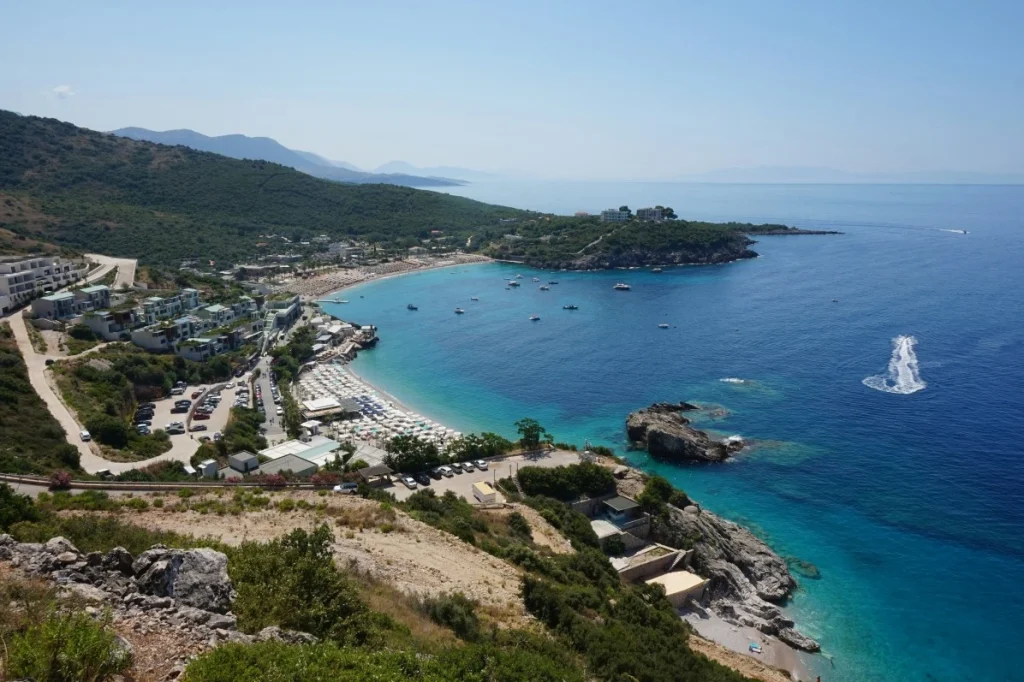
Tucked away along the Adriatic Sea lies a hidden gem – the Albanian Riviera. Unlike the more tourist-frequented beaches of Italy or Greece, this coastline feels like a dream: aquamarine waters that stretch infinitely, limestone cliffs that tumble dramatically into the sea, and sleepy villages that have somehow evaded the hustle and bustle of modernity. Imagine stepping off the winding coastal road, hearing only the lapping of the waves, and drinking a strong espresso beneath an olive tree aged at 150 years. This is what a holiday in Albania feels like – serene, authentic, and incredibly restorative. For travelers who love discovering hidden corners, The Tarzan Way, your personalized itinerary planner, can help map your journey along the Riviera, showing you spots that guidebooks often overlook. Whether you’re looking for peace and quiet, an adventure filled with history, or partying under the stars, you’re guaranteed something spectacular to latch on to and remember long after you have returned home. The Untouched Charm of the Albanian Riviera The charm of the Albanian Riviera is not only in the beauty of the views but also in the subtler rhythm of life: narrow pathways to navigate between stone homes with blue shutters, goats walk across quiet roads, and the locals greet you with a gentle nod. Villages perched on cliffs offer panoramas that make every photo look airbrushed. Beachside cafes serve coffee before conversation, making you feel part of the community instantly. The Ionian Sea shifts from turquoise to sapphire, changing its mood with the sun. Unlike the abandoned castles and ghost towns scattered across Europe, the Riviera feels alive – ancient yet thriving, timeless but welcoming. It’s a place that truly invites you to stop, breathe, and appreciate the details: a drying fishing net, a bare-footed child running down the beach, or a footpath along a cliff to an undiscovered cove. Must-Visit Stops Along the Albanian Riviera 1. Gjipe Beach – The Hidden Haven of Peace Gjipe Beach is exactly what its name promises: peace. To reach it, you hike down a steep cliffside trail, each step building anticipation for the untouched shoreline below. Arrive early in the morning to have the beach almost entirely to yourself. Smooth stones and gentle waves make it perfect for relaxing or swimming. Campers occasionally set up tents, but it never feels crowded. If you’re traveling with a dog, this is one of those rare beaches in Albania where pets are welcome – a quiet, sandy playground for four-legged companions. 2. Ancient Dhërmi – Where Time Sleeps on the Cliffs Dhërmi is a charming village that feels frozen in time. Walk its narrow stone streets covered with creeping grapevines, and you’ll see centuries-old architecture side by side with modern cafés. Hike up to the 6th-century Monastery of St. Theodore for panoramic cliff views. Explore the 4th-century BC fortress ruins and feel the weight of history under your feet. After the hike, descend to Dhërmi’s pristine beach for a well-earned swim. 3. Drymades – The Riviera’s Lively Heartbeat As the sun sets, Drymades transforms. The tranquil beach you walked along in the morning becomes a hub of energy by evening. Bonfires light up the sand, locals and travelers sway to a mix of folk and electronic music. Beach bars serve grilled seafood and local raki cocktails. Music floats over the waves, blending effortlessly with the sea breeze. While it’s not on the list of Europe’s glitziest clubs, Drymades has a charm all its own. For those planning a night out with an authentic vibe, it rivals many larger destinations. Explore our blog, Top 10 Clubs in Europe & Nightlife and How to Plan the Perfect Night Out in Europe to double your experience. 4. Ksamil Islands – Sarandë’s Secret Paradise Merely a brief boat trip from Sarandë Albania is Ksamil, a group of tiny islands that feels nearly otherworldly. The water is so clear that you can view your toes through the sand in the shallow spots, and local boats quietly move people to the three main islets: St. Nicholas, Basta, and Ksamil. Small taverns serve fresh seafood with views that steal your breath. Hidden coves offer privacy for swimming or sunbathing. Despite its popularity, it never feels overcrowded – the magic is in its secluded vibe. 5. Llogara Pass – The Scenic Gateway from Vlore to the Sea Vlore Albania serves as the gateway to the stunning Llogara Pass, a road trip dream. Winding through pine forests and climbing to 1,043 meters above sea level, every turn offers a new perspective of the Riviera below. Stop at scenic lookouts to watch the coastline stretch into the horizon. Hike through fragrant pine groves and spot golden eagles gliding overhead. Nearby, Llogara National Park is home to wild horses and over a thousand plant species. For travelers designing their Albania itinerary, combining mountains and coastline, The Tarzan Way can craft the perfect route that balances adventure and relaxation seamlessly. Local Tips for Exploring the Riviera Here’s what I’ve learned from wandering this stretch of coastline: Timing matters: Late May through early September is ideal – warm enough to swim, yet before the crowds peak. Travel slow: Don’t rush from town to town. Stay two nights in each place to truly soak it in. Road trips are gold: The SH8 coastal road is an ever-changing masterpiece of cliffs, turquoise water, and fragrant pine. Eat local: Try grilled octopus, byrek, and mountain honey – the simplest dishes taste like heaven here. Nightlife: Drymades and Dhërmi host authentic local gatherings, perfect for travelers who enjoy rhythm under the stars. FAQs About Visiting the Albanian Riviera 1. What’s the best time to visit the Albanian Riviera? Late May to early September, when the sun warms the sea and the villages are awake but not crowded. 2. How do I get to Ksamil from Sarandë or Vlore? Take the coastal SH8 road for scenic views, or hop on a local boat for a short and serene journey. 3. Are there budget options
Ultimate Spain Itinerary for Families: Culture, Fun & Relaxation

Why Spain is Perfect for Families Few countries in the world strike the right balance between adventure, relaxation, and culture the way Spain does. Imagine kids building sandcastles on Costa del Sol while you sip sangria, or exploring the fairytale-like Alhambra in Granada together. Spain is more than just a trip—it’s a collection of moments that keep families bonded. And the best part? Spain welcomes families with open arms. Restaurants offer kid-friendly tapas, plazas are buzzing late into the evening (great for strollers and family walks), and transport is smooth enough for parents traveling with kids. So if you’ve been browsing through every Spain vacation guide possible, let’s simplify things with a practical Spain travel itinerary that works for the whole family. How to Plan a Spain Vacation Itinerary That Works A family-friendly itinerary requires balance. It’s not just about ticking off the “must-sees” but ensuring everyone—kids, parents, even grandparents—feels included. A good Spain trip planner should include: Short travel distances between major stops Interactive activities like cooking classes, biking tours, or flamenco nights Rest time for kids to recharge Mix of culture + leisure so no one feels bored Now, you could spend hours scrolling through blogs and guides—or you could let technology do the heavy lifting. The Tarzan Way, for example, offers an AI-powered planner that creates a personalized Spain tour itinerary. Instead of copy-paste suggestions, it adapts to your family’s preferences—whether that’s more beaches, more history, or more adventure. One Week Spain Trip Itinerary: A Quick Family Escape If you’re short on time but want a complete experience, this Spain travel planner is ideal: Days 1-2: Barcelona Stroll through Park Güell (kids love the colorful mosaics). Visit Sagrada Familia (short tours are best for younger kids). Beach day at Barceloneta. Days 3-4: Valencia Spend a day at the City of Arts & Sciences (aquarium and science museum). Relax in Turia Gardens, one of the largest urban parks in Europe. Days 5-7: Madrid Enjoy Retiro Park’s boat rides. Visit Prado Museum (kids under 12 enter free). Evening tapas crawl for the whole family. If you’re curious how Spain’s magic has been captured on screen, our blog Reliving Zindagi Na Milegi Dobara: A Journey Through Spain’s Most Breathtaking Destinations explores exactly that. 10-Day Best Spain Itinerary for Families This slightly longer Spain trip itinerary balances culture, leisure, and fun for all ages: Barcelona (3 days) – Gaudí tour, cable car ride at Montjuïc, and a cycling tour. Seville (2 days) – Horse carriage ride through the old town and a family flamenco show. Granada (2 days) – Explore the Alhambra and try a cooking class together. Madrid (3 days) – Take a day trip to Toledo for history and chocolate churros. Two-Week Spain Vacation Packages Style Itinerary If you want to explore deeply without rushing, consider this family-style Spain holiday package approach: Barcelona (4 days) – Add a day trip to Montserrat. Valencia (2 days) – Family paella cooking class. Seville (3 days) – Alcázar and a local food market visit. Granada (2 days) – Evening Alhambra visit (less crowded). Madrid (3 days) – Zoo Aquarium Madrid and Bernabéu Stadium. Costa del Sol (2 days) – Beach time in Malaga. This itinerary mirrors how many Spain tour packages are designed, but doing it independently with an AI-powered Spain travel planner like The Tarzan Way allows you to tweak it to your family’s style. Tips for Family Travel in Spain Best time to visit: April–June or September–October. Transport: High-speed trains are efficient and comfortable. Food: Tapas culture makes dining easy for families—lots of small plates to share. Stays: Apartment-style hotels or Airbnb give you space to breathe. Pace: Don’t overpack your itinerary. Evening strolls (paseos) are a must-do tradition. Spain is also known for its lively nightlife. Our guides on Nightlife in Europe and Top 10 Clubs in Europe can help parents plan a grown-ups night out while kids rest. Spain for All Kinds of Travelers Spain is flexible—it’s as much a playground for kids as it is a cultural goldmine for adults. If you’re a family that travels with pets, you’ll be glad to know Spain is dog-friendly. For more, check out our blog Dog-Friendly Trip to Europe. Spain Tour Packages vs. DIY Spain Travel Planner When it comes to planning, you have two main routes: Spain tour packages – Great for families who want everything pre-arranged: flights, transfers, hotels, and attractions. Stress-free, but sometimes rigid. DIY Spain vacation itinerary – Gives you freedom and flexibility, but takes time to plan. The sweet spot? A hybrid approach. Book basics through Spain trip packages, then use a smart Spain trip planner like The Tarzan Way to add family activities tailored to your style. FAQs: Spain Family Travel Guide Q1: What is the best itinerary for Spain for families with kids? A combination of Barcelona, Valencia, and Madrid works beautifully for younger kids, while adding Seville or Granada makes it richer for older children. Q2: How many days do you need for a Spain family trip? A week is perfect for highlights, but 10–14 days is ideal for a Spain tour itinerary without rushing. Q3: Are Spain tour packages worth it for families? Yes, especially for first-timers. But combining them with a custom Spain travel itinerary gives you more flexibility. Q4: What’s the best time to plan a Spain family vacation? Spring (April–June) and fall (September–October) are the best, with pleasant weather and fewer crowds. Q5: Can Spain honeymoon packages work for families? Absolutely! Many Spain honeymoon packages now offer family-friendly options—romantic dinners for parents, and kid-friendly excursions too. Final Thoughts Spain is a country that truly feels like it was designed for families. Its warm culture, delicious food, and endless list of activities make it one of Europe’s top choices for a family holiday. Whether you’re following a ready-made Spain trip itinerary or using an AI-powered tool like The Tarzan Way to personalize your adventure, one thing’s for sure: Spain has the power to turn family vacations into