

Top 7 High-Altitude Lakes in Ladakh for an Unforgettable Experience:
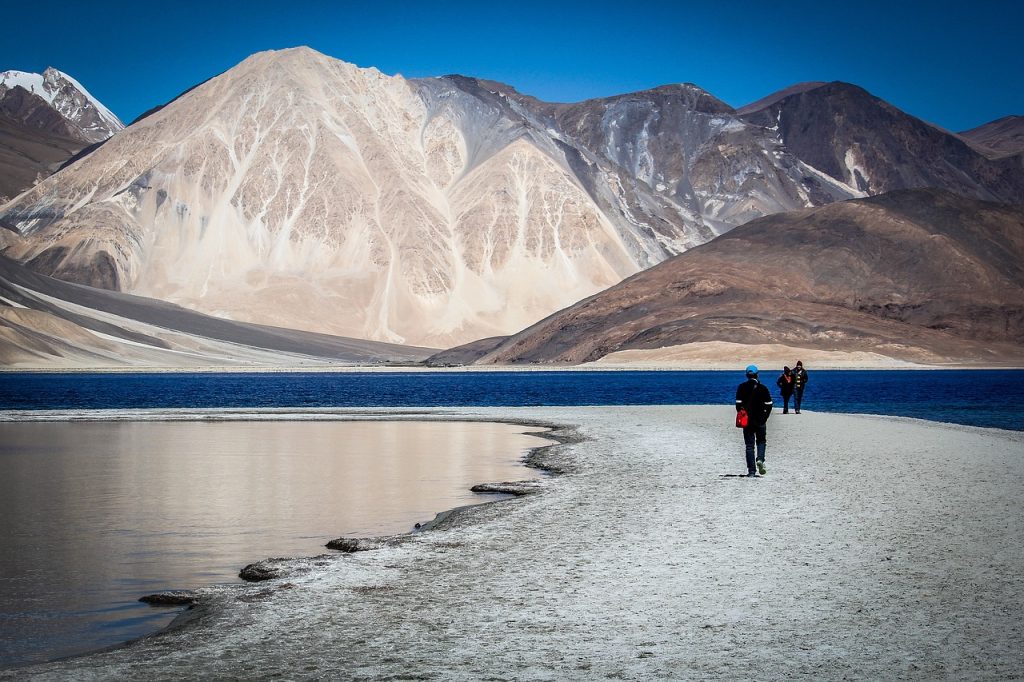
Ladakh known as “Land of High Passes” is home to exceptionally peaceful high-altitude lakes throughout its terrain. These lakes enchant visitors by their breathtaking views, glasslike waters and peaceful environments. Whether you are an adventurer, a nature enthusiast, or a photographer, Ladakh Lakes will offer lifetime experience. This blog will explore the top 7 high-altitude lakes in Ladakh that are must visit for all the people who love travelling and exploring. Scenic views of a lake in Ladakh with crystal clear water and radiant sky. 1. Tso Moriri: Tso Moriri is the largest and one of the most beautiful high altitude lakes of Ladakh with breathtaking views of nature. It offers a peaceful vibe because of its less crowded environment. This place’s clear skies and peaceful environment is perfect for camping and stargazing. Tso Moriri is the perfect place for photographers, nature lovers and people seeking solitude and peace. Best time to visit: June to September. Activities: Photography, Camping, Stargazing. 2. Pangong Lake: Pangong Lake is one of the most famous and beautiful lakes of Ladakh. This lake is famous for its colour changing quality which depends on the time of the day, from deep blue to turquoise to greenish blue. This high-altitude lake is a must-visit for travelers, adventurers, and photographers. Best time to visit: May to September. Activities: Camping, Photography, Stargazing. 3. Yarab Tso: Yarab Tso also referred to as “Hidden Lake of Ladakh” is one of the most beautiful and peaceful lakes of Ladakh. It is considered as a sacred lake so tourists are expected to maintain silence and avoid polluting the lake. This lake is a must visit for spiritual people, nature lovers and people who are in search of peace. Best time to Visit: May to September. Activities: Scenic Hike, Photography, Relaxation. 4. Tso Kar: Tso Kar, often called the “White Lake” is one of the most mesmerizing high altitude lakes in Ladakh. This lake is known for its rich biodiversity, saline shores and natural beauty. It is an offbeat lake that largely remains unexplored and is perfect for peaceful escape. Tso Kar is a must visit for birdwatchers, nature lovers and wildlife enthusiasts. Best time to visit: May to September. Activities: Birdwatching, Camping. 5. Suraj Tal: Suraj Tal also known as Surya Tal is a breathtaking high altitude lake. This is the third highest lake in India and is considered sacred by Locals. Suraj Tal lake with its crystal water and peaceful setting is a perfect spot for nature lovers, spiritual people and photographers. This lake is a must visit if you are up for a unique offbeat experience. Best time to visit: June to September. Activities: Trekking, Camping, Photography. 6. Chandra Taal: Chandra Taal is a mesmerizing high altitude lake featuring the serene beauty of nature surrounded by crystal clear water and magnificent mountains. This lake is known for its changing colours from turquoise to emerald green and believed to be the place where Indra’s chariot picked up Yudhishthira to take him to heaven. This lake is a must visit for nature lovers and people who want to experience a magical setting. Best time to visit: June to September. Activities: Camping, Trekking, Photography. 7. Kyagar Tso: Kyagar Tso is a small yet stunning high altitude lake in Ladakh that offers breathtaking landscapes with crystal clear water and blue skies. This lake is a hidden lake that is overlooked by tourists and remains untouched offering a peaceful environment for relaxing and meditating. Kyagar Tso is a perfect and must visit spot for people who are in search of peace and want a unique experience in the midst of serene beauty. Best time to visit: May to September Activities: Stargazing, Camping, Photography. FREQUENTLY ASKED QUESTIONS (FAQs): Q1. What is the best time to visit high-altitude lakes in Ladakh? The best time to visit these mesmerizing high altitude lakes in Ladakh is from May to September when the roads are more accessible and the weather is pleasant. Q2. Can I camp near these lakes? Yes, Camping is one of the famous activities done near these high altitude lakes. However at some lakes camping is not allowed. Q3. Can I spot wildlife near these lakes? Yes you can spot wildlife as Ladakh lakes are home to Black-necked Crane, Tibetan Wild Ass (Kiang) and Himalayan Marmots. Q4. Which are the top high-altitude lakes in Ladakh? The most famous high altitude lakes include Pangong Lake, Tso Moriri, Tso Kar and Yarab Tso. Q5. How can I reach these lakes? Most of these lakes are accessible via roads. One can take a taxi or rented bikes to reach these serene lakes. Pangong and Tso Moriri require Inner Line Permits for Indian tourists. CONCLUSION: Ladakh high altitude lakes showcase the raw beauty of nature featuring mesmerizing views of crystal clear waters and clear blue skies. Ladakh features two distinct categories of lakes which include the iconic Pangong Lake with its color-changing quality and Yarab Tso that showcases equally breathtaking beauty although it remains less popular. The best time to travel to soak in the mystical beauty of Ladakh should happen during May to September since this period provides suitable weather along with accessible roads. The lakes that can accommodate visitors for camping do serve accommodation services but the untouched destinations keep their natural charm pristine. Have you been to these serene lakes in Ladakh? Share your experience in the comments below! Planning a trip? You are just one click away! Click here and let The Tarzan Way’s AI planner do the hassle for you. Let’s plan the best trip ever!
5 Hidden Gems in Jaipur That Most Tourists Miss

The Indian city of Jaipur serves as the well-known “Pink City” with its majestic fortifications and luxurious palaces and busy markets. Through the well-known landmarks of Jaipur exists a sizable cache of hidden treasures that visitors can discover. Jaipur reveals its unique heritage along with architectural masterpieces and peaceful nature when travelers visit these lesser-known spots which most visitor groups tend to avoid. The hidden places of Jaipur wait for every traveler who avoids common tourist destinations because they offer experiences most people never see. If you’re looking for unique experiences beyond the usual, check out more of these Unexplored Places in Jaipur. 1. Panna Meena Ka Kund – The Hidden Stepwell of Jaipur Panna Meena Ka Kund positions itself as a marvelous 16th-century stepwell which stands minimally 200 meters from the famous Amer Fort. The symmetrical water storage facility combined two purposes by serving as both a conservation system as well as a refuge for those who needed to escape the intense Rajasthan heat. One feature that makes Panna Meena Ka Kund special lies in its complex building design featuring zigzag steps that create an interesting visual appearance. Through its design the stepwell demands that visitors use the same steps regardless of their approach direction to return. The combination of historical value and its unique geometric design makes Panna Meena Ka Kund one of Jaipur’s best hidden jewels perfect for photography. This is also a great place to visit early in the morning in Jaipur, as the golden light enhances its charm. Why Visit? Architectural Brilliance: Such traditional engineering marvel stands out because its symmetrical stair arrangement, arched niches, and cool environment combine to create an architectural masterpiece. Peaceful Retreat: Visitors find serenity at this location because it remains less crowded than the popular Amer Fort destination. Great for Photography: The symmetrical steps at this location create excellent photographic opportunities because of how light plays against shadows during either sunrise or sunset. Historical Significance: The stepwell is an excellent example of how ancient civilizations tackled water conservation in arid regions. Tip: The optimal time to see the steps is during morning hours when the place feels serene while getting ideal conditions for photo shots. The monsoon season should be avoided because the increasing water levels will block access to the site. 2. Galtaji Temple – The Monkey Temple The spiritual attraction of Galtaji Temple stands among the most extraordinary yet hidden sites in Jaipur despite its location under the Aravalli Hills. This Hindu temple attracts its name from its abundant monkey population while presenting an architecture of diverse temples along with sacred kunds which function as water tanks. The temple complex is located in a narrow valley space that gives visitors panoramic views of the neighboring hills. Historians believe that religious tanks at the temple site gained healing powers throughout the multiple centuries since its construction. Prayerful devotees and religious monks visit this temple for enlightened rest while sightseers enjoy the blend of natural beauty and distinct temple atmosphere. Why Visit? Spiritual Significance: The site hosts great religious importance as Lord Hanuman has a major presence here in Hindu mythology. Stunning Architecture: Visitors are drawn to this site because it combines stunning architecture with pastel temple structures that boast intricate frescoes and carvings. A Unique Experience: Visitors remember their temple experience because the primates at the shrine create a distinct dynamic peace. Panoramic Views: A short trek up the hill offers spectacular views of Jaipur, making it a rewarding experience for adventure lovers. Tip: People who want to feed monkeys should bring fruits but they should exercise caution due to the mischievous nature of these animals. You should choose comfortable footwear because exploring this temple includes trekking through surfaces with uneven features. If you’re someone who enjoys thrilling experiences, you may also want to check out some of the Haunted Places in Jaipur. 3. Chand Baori – The Forgotten Stepwell Near Jaipur Chand Baori exists in the rural Abhaneri village about 95 kilometers distant from Jaipur while escaping most standard travel tourism flows. A comprehensive downgrade through this ancient architecture takes visitors to the deep water reservoir via its 3500 perfect symmetry-patterned stairs among the deepest stepwells of India. The 9th-century construction of Chand Baori by King Chanda of the Nikumbh dynasty fulfilled an essential purpose to conserve water in arid Rajasthan. Community members used the stepwell as a meeting point since it provided relief from heat throughout the years. Why Visit? Mind-Blowing Architecture: The stepwell amazes visitors through its gigantic design that showcases impressive engineering precision. Historical Significance: This landmark provides visitors with important insights about the crucial ancient methods used to manage water during the arid conditions of Rajasthan. Serene Atmosphere: Unlike popular Jaipur landmarks, this unique site typically remains empty so visitors can experience the location at their preferred speed. Film Connection: Besides its visual appeal, Chand Baori gained fame from its appearance in multiple Hollywood productions, including ‘The Dark Knight Rises.’ Tip: When visiting Chand Baori, consider adding the neighboring Harshat Mata Temple as it offers a unique chance to explore its historical significance. If you’re looking for an adventure-filled outing, you might also want to check out Jaipur Adventure Places for more thrilling experiences. 4. Kanota Dam – A Scenic Escape People seeking relief from the urban bustle of Jaipur should explore Kanota Dam, which exists about 15 km away from the city’s central area. This well-concealed reservoir contains water amid natural surroundings and offers picturesque landscapes that attract those who enjoy photographing nature and spending time with the environment. Visitors should experience Kanota Dam during monsoon season because it becomes spectacular when water rises while the surrounding hills display their lush green coloration. People can use this site as a relaxing destination to experience either nature sightseeing or bird observation or spend peaceful time around the natural environment. Why Visit? Tranquil Environment: Tourists who visit Jaipur’s lively attractions will discover a peaceful ambiance at Kanota Dam, which stands apart from the city.
The Andaman & Nicobar Islands Railway Station: A Hidden Gem in the Indian Ocean
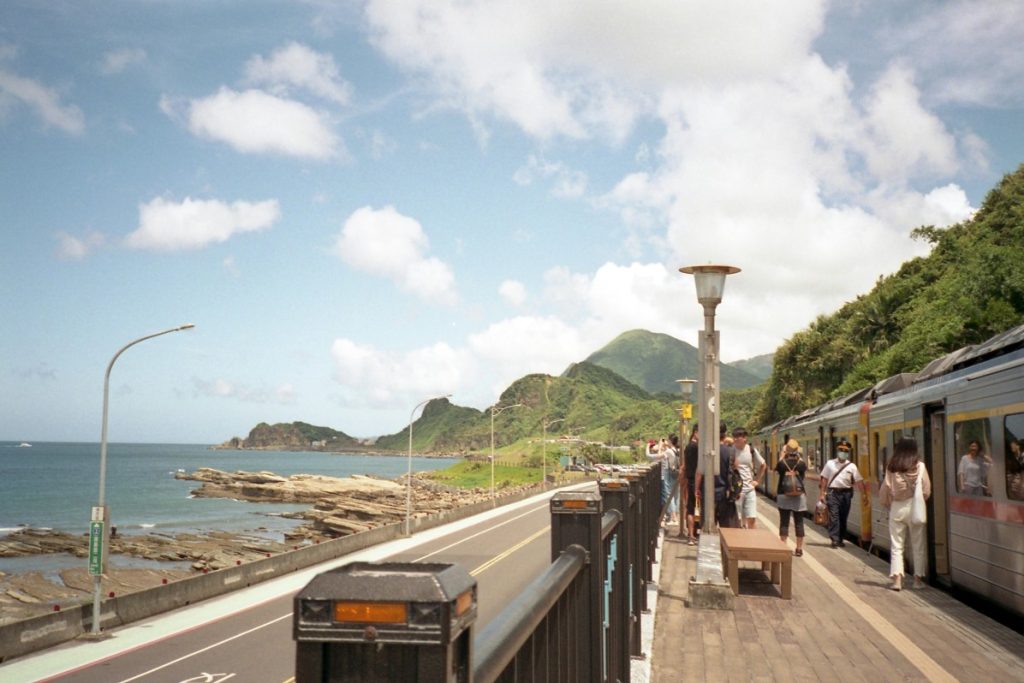
Introduction: Where Trains Meet the Sea When travelers think of the Andaman & Nicobar Islands, images of turquoise waters, swaying palm trees, and coral reefs come to mind. What few know is that there is a unique landmark that marries architecture, culture, and nature – the Andaman & Nicobar Islands Railway Station. Picture yourself standing on the platform of a railway station, where the rhythm of the trains dances to the melody of waves, coconut palms sway in the sun and the salty sea breeze drifts outside. This station is more than just the trains that pass through it – it provides a glimpse into the soul of the islands. For travelers arriving in the archipelago via Port Blair, many travelers find themselves extending their stay longer than planned, enamored by the island spirit and charm of the station. If you are looking for hidden gems on the islands and to experience the Andaman like a local, The Tarzan Way can tailor a bespoke itinerary that incorporates the railway station as part of the adventure itinerary along the beaches, diving trips and cultural experiences. Why the Andaman Railway Station is Special Eco-Friendly Infrastructure: Solar panels, rainwater harvesting, and sustainable materials preserve the environment. Architecture Blending with Nature: Thatched roofs, wooden beams, and artisan carvings reflect local culture. Scenic Views: Platforms overlook pristine beaches, coconut groves, and coral-rich waters. Cultural Hub: Friendly staff and occasional folk performances make the station lively. Photography Heaven: Ideal for travelers who want to capture the island’s beauty. Pro Tip: Combine a visit to the station with The Tarzan Way’s curated Andaman itineraries for a complete travel experience. Design and Architecture: A Harmony of Tradition and Sustainability The station is designed to honor the natural environment while showcasing Nicobari and Andamanese culture: Materials: Local timber, stone, and sustainable composites. Roofing: Thatch-inspired design to blend with the coastal environment. Energy: Integrated solar panels and rainwater harvesting. Landscaping: Native plants and flora surrounding the station. This makes it one of the unique stations in Andaman, demonstrating how infrastructure can harmonize with nature rather than disrupt it. Cultural Experiences at the Station One of the most enchanting aspects of this station is the human touch. Travelers can interact with locals, learn island stories, and enjoy spontaneous cultural moments: Folk music performances on shaded platforms Storytelling by station staff about Andamanese culture and history Local artisan displays showcasing traditional handicrafts Even if trains aren’t running, the station itself offers a cultural journey. This blog ensures travelers don’t miss these authentic experiences while exploring Andaman’s hidden gems. Scenic Beauty Around the Station The station isn’t just an architectural marvel—it’s surrounded by breathtaking scenery: White sandy beaches stretches into the horizon Coconut groves rustle in the sea breeze Turquoise waters and coral gardens perfect for diving and snorkeling Ideal sunset and sunrise spots for photography Many visitors combine their station visit with nearby beaches, taking in both natural beauty and local culture. Nearby Attractions and Activities Whether you’re a beach lover, a diver, or a cultural enthusiast, the station is a perfect starting point: 1. Beaches Short walks to secluded shores Relaxation and swimming Sunset views over the Indian Ocean 2. Coral Reefs and Diving Guided diving trips to Havelock and Neil Islands Snorkeling coral Andaman tours for beginners Glass-bottom boat rides for non-swimmers 3. Cultural Tours Local markets and handicraft villages Folk music and storytelling events Interaction with artisans 4. Eco-Tourism Learn about sustainable building and eco-friendly practices Observe how the station blends with the environment Responsible travel tips included in The Tarzan Way itineraries Pro Tip: Plan your station visit along with eco-tours and diving trips via The Tarzan Way, which ensures every activity respects local culture and nature. Travel Information Topic Details Location Near Port Blair, Andaman & Nicobar Islands Best Time to Visit October – May (dry season, calm seas) Entry Open for sightseeing, photography, and cultural experiences Transport Taxi, local bus, or combination of ferry and road for nearby islands Nearby Hotels Eco-lodges and resorts recommended in Andaman travel guides For more information about Andaman & Nicobar Islands you can checkout our Blogs: Are Andaman and Nicobar Coral Islands? How were Andaman and Nicobar Islands Formed? Andaman and Nicobar Islands: Tropical Paradise Reimagined. FAQs Q. What is the Andaman & Nicobar Islands Railway Station? It is a unique cultural and architectural landmark in the Andaman Islands, blending sustainable design with natural beauty. Q. Where is the Andaman & Nicobar station located? The station is situated near Port Blair, making it easily accessible for travelers before exploring Havelock, Neil, or other islands. Q. Is it operational for trains? While it resembles a railway station, it primarily functions as a cultural and tourist site rather than serving regular train operations. Q. What makes it eco-friendly? The station uses solar power, rainwater harvesting, native plants, and sustainable materials to minimize environmental impact. Q. Can visitors enter for sightseeing? Yes, visitors can explore the station, take photographs, enjoy cultural activities, and admire scenic ocean and beach views. Q. Are there nearby attractions? Nearby attractions include pristine beaches, coral reefs, local markets, cultural centers, and eco-tourism activities for travelers. Q. What cultural experiences are offered? Travelers can enjoy folk music, storytelling by locals, artisan displays, and insights into traditional Andamanese culture. Q. How do I reach the station? Visitors can reach the station via taxi, local bus, or a combination of ferry and road transport when coming from nearby islands. Q. When is the best time to visit? The ideal time to visit is October through May, during the dry season, for calm seas, clear skies, and perfect sightseeing. Q. Can beginners enjoy diving and snorkeling? Yes, beginners can safely enjoy snorkeling, guided diving tours, and glass-bottom boat rides to explore the vibrant reefs. Why Visit the Andaman & Nicobar Islands Railway Station? Experience Andaman architecture blending with nature Enjoy eco-conscious design while exploring tropical beauty Interact with locals and learn island culture Visit nearby beaches, coral reefs, and markets